Revamping the Office: A Step-by-Step Project Process
Before embarking on any revamping project, it is crucial to take a step back and assess your current office setup. This initial evaluation will provide you with a clear understanding of what works and what doesn’t. You might want to consider factors such as the layout, the functionality of the space, and the overall atmosphere.
Are employees able to collaborate effectively? Is there enough room for individual tasks? By observing how your team interacts with the space, you can identify areas that require improvement.
Moreover, it’s essential to gather feedback from your employees regarding their experiences in the current office environment. You could conduct surveys or hold informal discussions to gain insights into their preferences and pain points. This information will not only help you pinpoint specific issues but also foster a sense of involvement among your team.
When employees feel heard, they are more likely to embrace changes and contribute positively to the revamping process.
Summary
- Evaluate the existing office layout and functionality before making changes.
- Define specific goals to guide the office revamp effectively.
- Involve employees to ensure their needs and preferences are considered.
- Choose furniture and equipment that enhance comfort and productivity.
- Monitor the revamped office’s impact and maintain ongoing improvements.
Setting Clear Goals and Objectives
Once you have assessed your current office setup, the next step is to establish clear goals and objectives for the revamp. What do you hope to achieve with this transformation? Perhaps you want to enhance collaboration among team members, improve employee well-being, or create a more inviting atmosphere for clients.
By defining these goals, you can create a focused plan that aligns with your organisation’s vision. It’s also important to set measurable objectives that will allow you to track progress throughout the revamping process. For instance, if one of your goals is to increase employee satisfaction, you might aim for a specific percentage increase in survey results post-renovation.
By establishing these benchmarks, you can ensure that your efforts are directed towards tangible outcomes, making it easier to evaluate the success of your project in the long run.
Engaging Employees in the Revamping Process
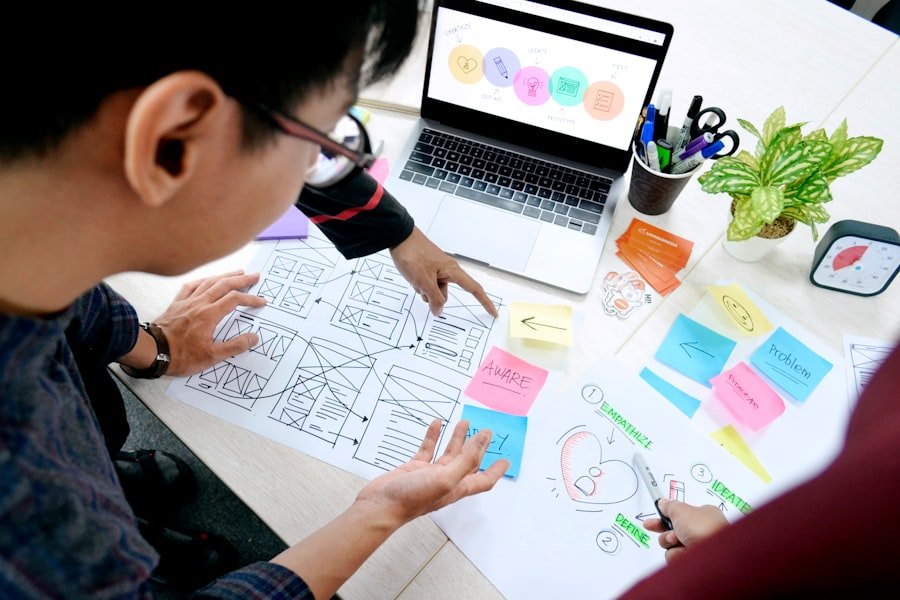
Engaging your employees in the revamping process is vital for fostering a sense of ownership and commitment to the changes being made. You could create a task force or committee that includes representatives from various departments to gather diverse perspectives. This collaborative approach not only enriches the decision-making process but also empowers employees by giving them a voice in shaping their work environment.
Additionally, consider hosting brainstorming sessions or workshops where employees can share their ideas and suggestions. This not only encourages creativity but also helps build camaraderie among team members. When employees feel that their input is valued, they are more likely to embrace the changes and contribute positively to the new office environment.
Researching and Selecting New Office Furniture and Equipment
| Criteria | Metric | Details | Importance Level | Typical Range |
|---|---|---|---|---|
| Ergonomics | Adjustability | Number of adjustable features (height, tilt, lumbar support) | High | 3-6 features |
| Durability | Material Quality | Type of materials used (steel, wood, plastic) | High | Steel/Wood preferred |
| Cost | Price Range | Cost per item excluding VAT | Medium | £100 – £1000 |
| Space Efficiency | Footprint | Area occupied by furniture (square metres) | Medium | 0.5 – 2 m² per item |
| Aesthetics | Design Style | Modern, traditional, minimalist, etc. | Low | Varies by office theme |
| Supplier Reliability | Delivery Time | Average lead time from order to delivery (days) | High | 7 – 30 days |
| Environmental Impact | Recyclability | Percentage of materials recyclable (%) | Medium | 50% – 90% |
| Warranty | Warranty Period | Length of warranty offered (years) | High | 1 – 5 years |
With clear goals and employee engagement in place, it’s time to research and select new office furniture and equipment that align with your vision. Start by exploring various options that cater to different work styles and preferences. For instance, consider incorporating flexible workstations that allow for both collaborative and individual tasks.
Ergonomic furniture is also essential for promoting employee well-being, so be sure to prioritise comfort and functionality in your selections. As you research, don’t forget to involve your employees in the decision-making process. You could organise product demonstrations or visits to showrooms where they can test out different furniture options.
This hands-on approach not only ensures that the final choices meet everyone’s needs but also generates excitement about the upcoming changes. By selecting furniture that resonates with your team, you’ll create an environment that fosters productivity and satisfaction.
Creating a Realistic Budget and Timeline
Creating a realistic budget and timeline is a critical aspect of any office revamp project. Begin by outlining all potential costs associated with the renovation, including furniture, equipment, labour, and any necessary renovations to the physical space. It’s wise to allocate a contingency fund for unexpected expenses that may arise during the process.
By having a comprehensive budget in place, you can avoid overspending and ensure that resources are allocated efficiently. In addition to budgeting, establishing a timeline will help keep the project on track. Break down the revamping process into manageable phases, setting deadlines for each stage.
This will not only provide clarity but also allow you to monitor progress effectively. Regularly reviewing your timeline will enable you to make adjustments as needed while ensuring that the project remains aligned with your overall goals.
Implementing Changes and Managing the Transition Period

As you move into the implementation phase, effective communication is key to managing the transition period smoothly. Keep your employees informed about what changes are taking place and when they can expect them to occur. Providing regular updates will help alleviate any concerns or uncertainties they may have about the process.
During this transition period, it’s essential to be mindful of how changes may impact daily operations. Consider implementing changes in stages rather than all at once, allowing employees time to adjust gradually. You might also want to provide support resources, such as training sessions on new equipment or furniture usage.
By being proactive in addressing potential challenges, you can create a more seamless transition for everyone involved.
Evaluating the Impact of the Revamped Office
Once the revamp is complete, it’s time to evaluate its impact on your organisation. Begin by gathering feedback from employees regarding their experiences in the new office environment. Conduct surveys or hold focus groups to assess whether the changes have met their expectations and improved their overall satisfaction.
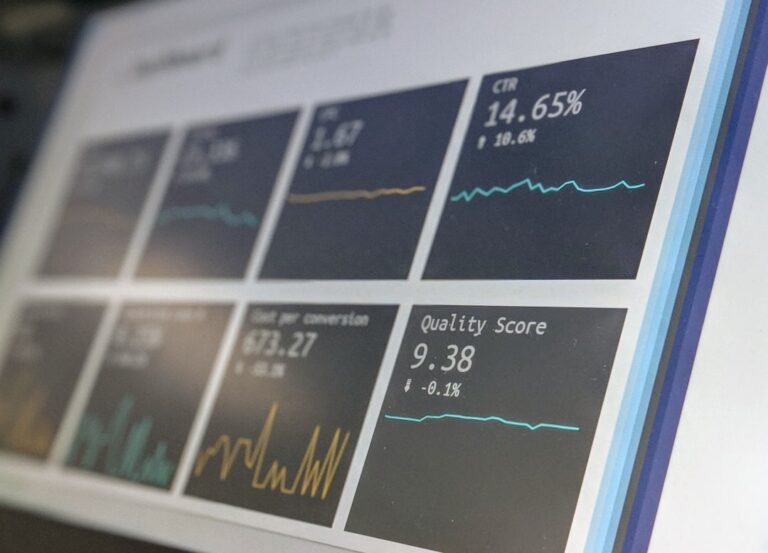
This feedback will be invaluable in determining whether your goals have been achieved. Additionally, consider measuring key performance indicators (KPIs) related to productivity, collaboration, and employee well-being. For instance, you might track metrics such as employee retention rates or project completion times before and after the revamp.
By analysing this data, you can gain insights into how the new office setup has influenced overall performance and make informed decisions about future improvements.
Continuous Improvement and Maintenance of the New Office Environment
The journey doesn’t end once the office has been revamped; continuous improvement is essential for maintaining a positive work environment. Regularly solicit feedback from employees about their experiences in the new space and be open to making adjustments as needed. This ongoing dialogue will help you stay attuned to their needs and preferences, ensuring that the office remains a place where they feel comfortable and productive.
Moreover, establish a maintenance plan for your new office environment. Regularly inspect furniture and equipment for wear and tear, addressing any issues promptly to prevent disruptions in workflow. By prioritising maintenance and fostering a culture of continuous improvement, you can create an office environment that not only meets current needs but also adapts to future challenges and opportunities.
In conclusion, revamping an office space is a multifaceted process that requires careful planning, employee engagement, and ongoing evaluation. By assessing your current setup, setting clear goals, involving employees in decision-making, selecting appropriate furniture, creating a realistic budget and timeline, managing transitions effectively, evaluating impacts, and committing to continuous improvement, you can create an office environment that enhances productivity and employee satisfaction for years to come.
FAQs
What is a project process?
A project process refers to the series of structured steps or phases that are followed to complete a project successfully. It typically includes initiation, planning, execution, monitoring, and closure.
Why is a project process important?
A project process is important because it provides a clear framework for managing tasks, resources, and timelines. It helps ensure that objectives are met efficiently and risks are minimised.
What are the common phases in a project process?
The common phases in a project process are initiation, planning, execution, monitoring and controlling, and closure. Each phase has specific activities and deliverables.
How does project planning fit into the project process?
Project planning is a critical phase within the project process where objectives are defined, resources are allocated, schedules are created, and risks are assessed to guide the execution phase.
Can the project process vary between industries?
Yes, the project process can vary depending on the industry, project size, and complexity. However, the fundamental principles of structured phases and management remain consistent.
What tools are commonly used in managing a project process?
Common tools include project management software like Microsoft Project, Trello, or Asana, Gantt charts, risk management tools, and communication platforms to facilitate collaboration.
How is progress monitored during the project process?
Progress is monitored through regular status reports, performance metrics, milestone reviews, and adjustments to plans as necessary to keep the project on track.
What happens during the project closure phase?
During closure, final deliverables are handed over, documentation is completed, resources are released, and a post-project review is conducted to capture lessons learned.
Is stakeholder involvement important in the project process?
Yes, stakeholder involvement is crucial throughout the project process to ensure requirements are met, expectations are managed, and support is maintained.
How can risks be managed in the project process?
Risks are managed by identifying potential issues early, analysing their impact, developing mitigation strategies, and continuously monitoring for new risks throughout the project lifecycle.