Effective Cost Management Plan for Business Success
Cost management is a critical aspect of running a successful business, and its significance cannot be overstated. As you navigate the complexities of the marketplace, understanding how to manage costs effectively can mean the difference between thriving and merely surviving. By keeping a close eye on expenses, you can ensure that your resources are allocated efficiently, allowing for greater profitability and sustainability.
This is particularly vital in today’s competitive environment, where margins can be razor-thin and every penny counts. Moreover, effective cost management provides you with the ability to make informed decisions regarding pricing, investment, and resource allocation. When you have a clear understanding of your costs, you can set prices that not only cover expenses but also contribute to your bottom line.
This knowledge empowers you to identify areas where you can cut costs without sacrificing quality or service, ultimately leading to a more robust financial position. In essence, mastering cost management equips you with the tools necessary to navigate economic fluctuations and seize opportunities for growth.
Summary
- Effective cost management is crucial for maintaining business profitability and sustainability.
- Categorising costs accurately helps in identifying key areas for potential savings.
- Utilising technology can streamline cost tracking and enhance decision-making.
- Engaging employees and suppliers fosters a collaborative approach to reducing expenses.
- Regularly reviewing and adjusting the cost management plan ensures it supports ongoing business growth.
Identifying and Categorizing Business Costs
To manage costs effectively, the first step is to identify and categorise the various expenses your business incurs. Costs can generally be divided into fixed and variable categories. Fixed costs are those that remain constant regardless of your business activity level, such as rent, salaries, and insurance.
On the other hand, variable costs fluctuate with production levels or sales volume, including materials, utilities, and commissions. By distinguishing between these two types of costs, you can gain a clearer picture of your financial landscape. Additionally, it is essential to delve deeper into specific categories of costs, such as direct and indirect costs.
Direct costs are directly attributable to the production of goods or services, while indirect costs support the overall operation but cannot be traced back to a specific product. Understanding these distinctions allows you to allocate resources more effectively and identify areas where cost savings can be achieved. By meticulously categorising your business costs, you lay the groundwork for a comprehensive cost management strategy that addresses both immediate needs and long-term goals.
Implementing Cost Reduction Strategies
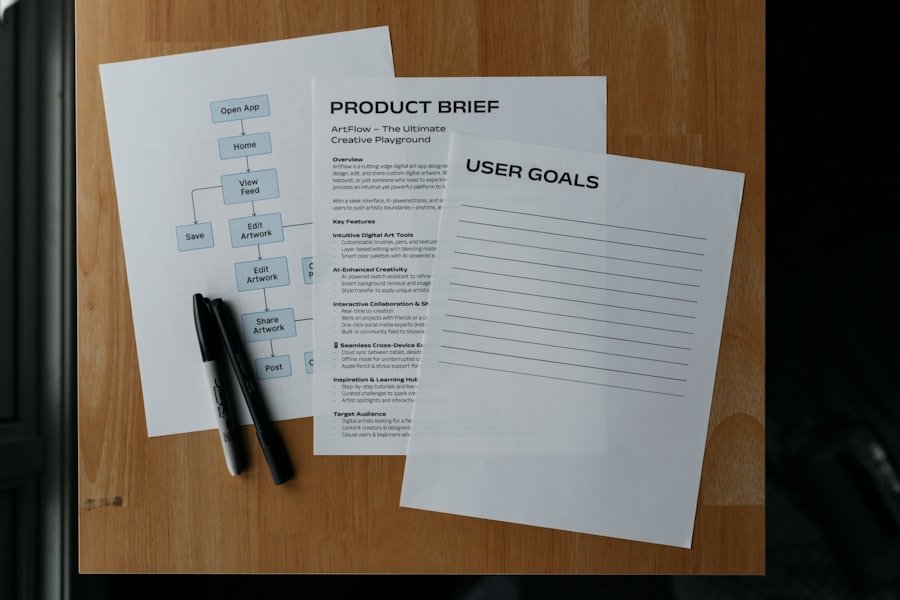
Once you have identified and categorised your business costs, the next step is to implement effective cost reduction strategies. One approach is to conduct a thorough review of your current expenses to identify areas where cuts can be made without compromising quality or service. This might involve renegotiating contracts with suppliers, seeking alternative vendors, or even consolidating services to reduce overheads.
By taking a proactive stance on cost reduction, you can create a leaner operation that maximises efficiency. Another strategy involves fostering a culture of cost consciousness within your organisation. Encourage employees at all levels to identify potential savings and share their ideas for improving efficiency.
This not only empowers your team but also creates a sense of ownership over the company’s financial health. By involving everyone in the process, you can uncover innovative solutions that may not have been considered otherwise. Ultimately, implementing these cost reduction strategies will help you maintain a competitive edge while ensuring that your business remains financially viable.
Using Technology for Cost Management
| Technology | Cost Management Metric | Description | Benefit |
|---|---|---|---|
| Cloud Computing | Operational Expenditure Reduction | Shifts capital expenses to operational expenses by using pay-as-you-go models. | Improves cash flow and reduces upfront investment. |
| Enterprise Resource Planning (ERP) | Budget Variance Analysis | Integrates financial data to monitor and control budget deviations in real-time. | Enhances accuracy in forecasting and cost control. |
| Automation Tools | Labour Cost Reduction | Automates repetitive tasks to reduce manual labour requirements. | Increases efficiency and lowers personnel costs. |
| Data Analytics | Cost Trend Identification | Analyses historical data to identify patterns and predict future costs. | Enables proactive cost management and optimisation. |
| Project Management Software | Resource Utilisation Rate | Tracks allocation and usage of resources across projects. | Improves resource efficiency and reduces wastage. |
In today’s digital age, leveraging technology for cost management has become increasingly essential. Various software solutions are available that can help you track expenses, analyse spending patterns, and generate reports that provide valuable insights into your financial performance. By utilising these tools, you can streamline your cost management processes and make data-driven decisions that enhance efficiency.
Moreover, technology can facilitate better communication and collaboration within your organisation. Cloud-based platforms allow teams to share information in real-time, ensuring that everyone is on the same page regarding budgetary constraints and financial goals. This transparency fosters accountability and encourages employees to take an active role in managing costs.
By embracing technology as part of your cost management strategy, you position your business for success in an increasingly competitive landscape.
Monitoring and Evaluating Cost Management Plan
Implementing a cost management plan is just the beginning; ongoing monitoring and evaluation are crucial for ensuring its effectiveness. Regularly reviewing your financial performance against established benchmarks allows you to identify trends and make necessary adjustments. This proactive approach enables you to stay ahead of potential issues before they escalate into significant problems.
Additionally, consider establishing key performance indicators (KPIs) that align with your cost management objectives. These metrics provide quantifiable measures of success and help you assess whether your strategies are yielding the desired results. By continuously monitoring these indicators, you can refine your approach and adapt to changing circumstances in the marketplace.
Ultimately, a commitment to ongoing evaluation will enhance your ability to manage costs effectively and drive long-term success.
Training and Involving Employees in Cost Management

Your employees play a vital role in the success of your cost management efforts. Therefore, investing in training programmes that educate staff about the importance of cost control is essential. By equipping them with the knowledge and skills needed to identify inefficiencies and suggest improvements, you create a workforce that is engaged and motivated to contribute to the company’s financial health.
Involving employees in cost management initiatives fosters a sense of ownership and accountability. Encourage them to share their insights on potential savings or process improvements during team meetings or through suggestion boxes. Recognising and rewarding contributions can further incentivise participation in cost management efforts.
When employees feel valued for their input, they are more likely to take an active role in helping the organisation achieve its financial goals.
Leveraging Supplier Relationships for Cost Savings
Building strong relationships with suppliers can lead to significant cost savings for your business. By fostering open communication and collaboration, you can negotiate better terms and pricing that benefit both parties. Consider establishing long-term partnerships with key suppliers who understand your business needs and are willing to work with you on pricing structures that reflect mutual interests.
Additionally, exploring bulk purchasing options or consolidating orders with fewer suppliers can lead to economies of scale that reduce overall costs. Regularly reviewing supplier performance ensures that you are getting the best value for your money while maintaining quality standards. By leveraging these relationships strategically, you can create a more efficient supply chain that contributes positively to your bottom line.
Adapting and Adjusting Cost Management Plan for Business Growth
As your business evolves, so too must your cost management plan. Growth often brings new challenges and opportunities that require adjustments to your existing strategies. Regularly reassessing your financial goals and aligning them with your overall business objectives is crucial for maintaining financial health during periods of expansion.
Moreover, be prepared to adapt your cost management approach in response to market changes or shifts in consumer behaviour. Flexibility is key; what worked yesterday may not be effective tomorrow. By staying attuned to industry trends and being willing to pivot when necessary, you position your business for sustained growth while keeping costs under control.
Ultimately, an adaptable cost management plan will serve as a foundation for long-term success in an ever-changing business landscape.
FAQs
What is a cost management plan?
A cost management plan is a document that outlines how project costs will be estimated, budgeted, managed, monitored, and controlled throughout the project lifecycle. It ensures that the project is completed within the approved budget.
Why is a cost management plan important?
A cost management plan is important because it helps project managers and stakeholders understand the financial requirements of a project, avoid cost overruns, allocate resources efficiently, and maintain financial control.
What are the key components of a cost management plan?
Key components typically include cost estimation methods, budgeting processes, cost control procedures, roles and responsibilities, reporting formats, and tools for monitoring and controlling costs.
Who is responsible for creating a cost management plan?
The project manager is usually responsible for developing the cost management plan, often in collaboration with the finance team, project sponsors, and other key stakeholders.
How does a cost management plan differ from a project budget?
A project budget is a detailed financial plan that allocates funds to specific project activities, while a cost management plan describes the processes and procedures for managing and controlling those costs.
When should a cost management plan be developed?
A cost management plan should be developed during the project planning phase, before significant project work begins, to ensure proper financial control from the outset.
Can a cost management plan be updated during the project?
Yes, a cost management plan can and should be updated as necessary to reflect changes in project scope, risks, or other factors that impact cost management.
What tools are commonly used in cost management planning?
Common tools include cost estimation software, budgeting spreadsheets, earned value management systems, and project management software that supports cost tracking and reporting.
How does a cost management plan help in risk management?
By identifying potential cost risks and establishing contingency reserves, a cost management plan helps mitigate financial uncertainties and prepares the project team to handle unexpected expenses.
Is a cost management plan required for all types of projects?
While not mandatory for every project, a cost management plan is highly recommended for projects with significant budgets or financial complexity to ensure effective cost control.