
Effective Project Risk Management Plan for Success
In the realm of project management, the significance of risk management cannot be overstated. As you embark on any project, whether it be large or small, the potential for unforeseen challenges looms ever-present. Understanding the importance of project risk management is crucial for ensuring that your project not only meets its objectives but also adheres to timelines and budgets.
By proactively identifying and addressing risks, you can safeguard your project against potential pitfalls that could derail progress or lead to financial losses. Moreover, effective risk management fosters a culture of preparedness within your team. When you prioritise risk management, you encourage open communication and collaboration among team members.
This proactive approach not only enhances problem-solving capabilities but also instils confidence in stakeholders. They are more likely to support your initiatives when they see that you have a robust plan in place to handle uncertainties. Ultimately, embracing risk management as an integral part of your project strategy can lead to improved outcomes and greater overall success.
Summary
- Project risk management is essential to anticipate and address potential issues that could impact project success.
- Identifying and assessing risks early allows for better preparation and prioritisation of resources.
- A comprehensive risk management plan outlines strategies to mitigate identified risks effectively.
- Continuous monitoring and control ensure risks are managed proactively throughout the project lifecycle.
- Regular communication and updates on risks enhance stakeholder awareness and support informed decision-making.
Identifying and Assessing Project Risks
The first step in effective risk management is identifying and assessing the risks that may impact your project. This process requires a keen eye for detail and a comprehensive understanding of the project’s scope and environment. You should begin by brainstorming potential risks with your team, drawing on their diverse experiences and perspectives.
Consider both internal factors, such as resource availability and team dynamics, as well as external influences like market fluctuations or regulatory changes. By casting a wide net during this identification phase, you can ensure that no significant risks are overlooked. Once you have compiled a list of potential risks, the next step is to assess their likelihood and impact.
This involves evaluating how probable each risk is to occur and the extent of its potential consequences on your project. You might find it helpful to use a risk matrix, which allows you to categorise risks based on their severity and likelihood. This visual representation can aid in prioritising which risks require immediate attention and which can be monitored over time.
By systematically identifying and assessing risks, you lay the groundwork for a comprehensive risk management plan that addresses the most pressing concerns.
Developing a Risk Management Plan

With a clear understanding of the risks at hand, you can now turn your attention to developing a robust risk management plan. This plan serves as a roadmap for how you will address identified risks throughout the project lifecycle. Begin by outlining specific strategies for mitigating each risk, taking into account the resources available to you and the unique context of your project.
For instance, if a particular risk is deemed high-impact but low-likelihood, you might choose to develop contingency plans rather than invest heavily in preventative measures. In addition to outlining mitigation strategies, your risk management plan should also include roles and responsibilities for team members. Clearly defining who is responsible for monitoring specific risks ensures accountability and encourages proactive engagement with the risk management process.
Furthermore, establish timelines for regular reviews of the plan, allowing for adjustments as new risks emerge or existing ones evolve. A well-structured risk management plan not only prepares you for potential challenges but also enhances your team’s ability to respond effectively when issues arise.
Implementing Risk Mitigation Strategies
| Risk Mitigation Strategy | Key Metrics | Measurement Criteria | Target Outcome | Frequency of Review |
|---|---|---|---|---|
| Risk Avoidance | Number of avoided risks | Count of identified risks not pursued | 100% avoidance of high-impact risks | Quarterly |
| Risk Reduction | Risk severity score reduction | Percentage decrease in risk impact rating | At least 50% reduction in severity | Monthly |
| Risk Transfer | Number of risks transferred | Count of risks covered by contracts or insurance | All insurable risks transferred | Annually |
| Risk Acceptance | Number of accepted risks | Count of risks accepted with documented rationale | Acceptance only for low-impact risks | Bi-annually |
| Contingency Planning | Contingency plan readiness score | Percentage of plans tested and updated | 100% readiness for critical risks | Bi-annually |
Once your risk management plan is in place, it is time to implement the mitigation strategies you have developed. This phase requires diligent execution and ongoing communication among team members to ensure that everyone is aligned with the plan’s objectives. As you begin to implement these strategies, it is essential to remain flexible and adaptable.
The dynamic nature of projects means that new risks may surface while existing ones may change in severity or likelihood. To facilitate effective implementation, consider establishing regular check-ins or meetings focused specifically on risk management. These sessions provide an opportunity for team members to share updates on their assigned risks, discuss any challenges encountered, and brainstorm solutions collaboratively.
By fostering an environment of open dialogue, you empower your team to take ownership of risk management and contribute actively to the project’s success. Remember that successful implementation hinges not only on following the plan but also on cultivating a culture of vigilance and responsiveness.
Monitoring and Controlling Risks Throughout the Project
Monitoring and controlling risks is an ongoing process that extends throughout the life of your project. As circumstances evolve, so too will the risks associated with your project. Therefore, it is vital to establish mechanisms for tracking identified risks and identifying new ones as they arise.
Regularly reviewing your risk register—a document that outlines all identified risks along with their status—can help you stay informed about the current landscape of potential challenges. In addition to tracking existing risks, consider employing key performance indicators (KPIs) related to risk management. These metrics can provide valuable insights into how effectively your team is managing risks and whether adjustments are necessary.
For instance, if you notice an increase in the frequency of certain types of risks materialising, it may signal a need for a reassessment of your mitigation strategies. By maintaining a proactive approach to monitoring and controlling risks, you position yourself to respond swiftly and effectively when challenges arise.
Communicating and Reporting on Project Risks
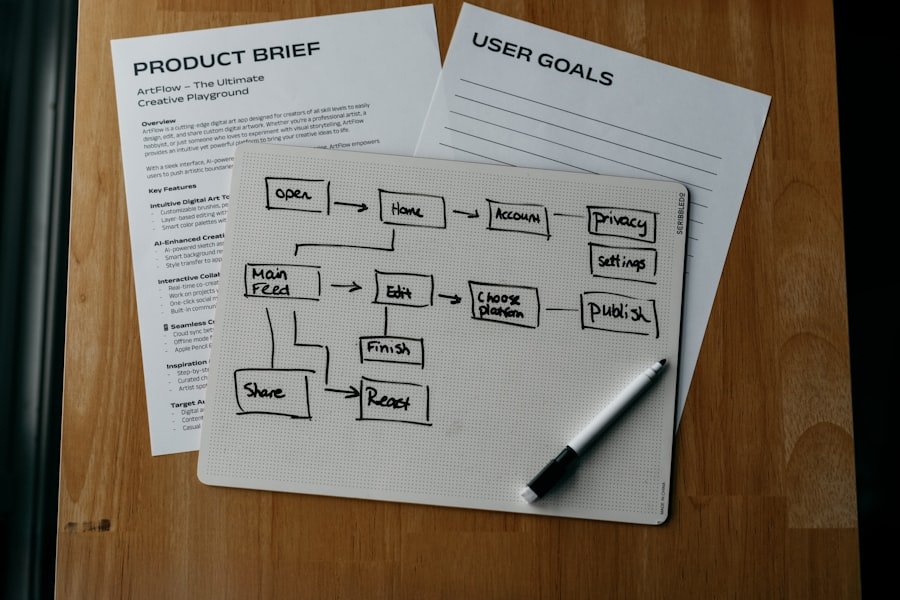
Effective communication is paramount when it comes to managing project risks. You must ensure that all stakeholders are kept informed about potential risks and the strategies in place to address them. Regular updates not only foster transparency but also build trust among team members and stakeholders alike.
Consider creating a communication plan that outlines how often updates will be provided and through which channels—be it email reports, team meetings, or project management software. When reporting on project risks, it is essential to present information clearly and concisely. Use visual aids such as charts or graphs to illustrate trends or changes in risk status over time.
This approach can help stakeholders grasp complex information quickly and make informed decisions based on your findings. Additionally, encourage feedback from stakeholders regarding their perceptions of risks; their insights may uncover blind spots or provide alternative perspectives that enhance your overall risk management strategy.
Reviewing and Updating the Risk Management Plan
As your project progresses, it is crucial to regularly review and update your risk management plan. The landscape of any project can shift dramatically due to various factors such as changes in scope, resource availability, or external market conditions. By conducting periodic reviews of your plan, you can ensure that it remains relevant and effective in addressing current risks.
During these reviews, engage your team in discussions about any new risks that may have emerged since the last assessment. Encourage them to share their observations and experiences related to risk management throughout the project lifecycle. This collaborative approach not only enriches the review process but also reinforces a culture of continuous improvement within your team.
By keeping your risk management plan dynamic and responsive, you enhance your ability to navigate uncertainties effectively.
Key Benefits of Effective Project Risk Management
The benefits of effective project risk management extend far beyond merely avoiding pitfalls; they encompass improved decision-making, enhanced stakeholder confidence, and increased overall project success rates. When you implement a robust risk management strategy, you empower yourself and your team to make informed decisions based on a comprehensive understanding of potential challenges. This proactive approach enables you to allocate resources more efficiently and prioritise tasks that align with your project’s objectives.
Furthermore, effective risk management fosters greater stakeholder confidence in your project’s viability. When stakeholders see that you have a well-defined plan for addressing uncertainties, they are more likely to support your initiatives and invest their resources accordingly. Ultimately, by embracing project risk management as an integral part of your strategy, you position yourself for success in navigating the complexities of any project while maximising opportunities for growth and innovation.
FAQs
What is a project risk management plan?
A project risk management plan is a formal document that outlines the processes and strategies for identifying, analysing, and responding to risks throughout the lifecycle of a project. It aims to minimise the impact of potential threats and maximise opportunities to ensure project success.
Why is a project risk management plan important?
A project risk management plan is important because it helps project teams anticipate potential problems, allocate resources effectively, and implement mitigation strategies. This proactive approach reduces uncertainties, improves decision-making, and increases the likelihood of meeting project objectives on time and within budget.
What are the key components of a project risk management plan?
The key components typically include risk identification, risk analysis (qualitative and quantitative), risk prioritisation, risk response planning, risk monitoring and control, and roles and responsibilities. It may also detail communication plans and tools used for risk management.
Who is responsible for creating the project risk management plan?
The project manager usually leads the development of the risk management plan, often in collaboration with the project team, stakeholders, and risk management specialists. Responsibility for managing risks is shared among team members according to the plan.
How often should a project risk management plan be updated?
The plan should be reviewed and updated regularly throughout the project lifecycle, especially after significant changes, risk events, or at key project milestones. Continuous monitoring ensures that new risks are identified and existing risks are managed effectively.
What techniques are used for risk identification in a project risk management plan?
Common techniques include brainstorming sessions, expert interviews, SWOT analysis (Strengths, Weaknesses, Opportunities, Threats), checklists, and reviewing historical data from similar projects.
How does risk analysis differ in a project risk management plan?
Risk analysis can be qualitative, assessing the likelihood and impact of risks using descriptive scales, or quantitative, using numerical methods and statistical models to estimate risk probabilities and potential effects on project objectives.
What are typical risk response strategies included in a project risk management plan?
Typical strategies include avoidance (eliminating the risk), mitigation (reducing the impact or likelihood), transfer (shifting the risk to a third party), and acceptance (acknowledging the risk without action).
Can a project risk management plan help with project communication?
Yes, the plan often includes communication protocols to ensure that all stakeholders are informed about risks, their status, and response actions. Effective communication supports transparency and timely decision-making.
Is a project risk management plan mandatory for all projects?
While not always mandatory, having a risk management plan is considered best practice for most projects, especially those with significant complexity, uncertainty, or potential impact. Some organisations or industries may require it as part of their governance standards.