Mastering Creative Project Management: A Guide for Success
To embark on any creative endeavour, it is essential to grasp the intricacies of the creative process. This journey often begins with inspiration, a spark that ignites your imagination and propels you into a world of possibilities. You may find that inspiration can come from various sources—nature, art, conversations, or even a fleeting thought.
Recognising these moments and nurturing them is crucial, as they lay the foundation for your creative project. As you delve deeper into the creative process, you will discover that it is not merely a linear path but rather a dynamic interplay of exploration, experimentation, and refinement. As you navigate through this process, it is vital to embrace both the highs and lows.
Creativity often involves trial and error, and you may encounter setbacks that challenge your initial vision. However, these obstacles can serve as valuable learning experiences, pushing you to rethink your approach and adapt your ideas. By understanding that creativity thrives in an environment of flexibility and openness, you can cultivate a mindset that welcomes change and encourages innovation.
This understanding will not only enhance your creative output but also empower you to tackle future projects with confidence and resilience.
Summary
- Grasping the creative process is essential for guiding projects from concept to completion.
- Clear goals and objectives provide direction and measurable outcomes.
- A strong, collaborative team enhances creativity and project success.
- Efficient time and resource management ensures projects stay on track and within budget.
- Embracing innovation drives continuous improvement and competitive advantage.
Setting Clear Goals and Objectives
Once you have a firm grasp of the creative process, the next step is to establish clear goals and objectives for your project. Defining what you aim to achieve is paramount, as it provides direction and focus throughout the creative journey. You might begin by asking yourself what success looks like for your project.
Is it a finished product, a specific audience engagement, or perhaps a new skill acquired? By articulating these goals, you create a roadmap that guides your efforts and helps you measure progress along the way. Moreover, setting objectives allows you to break down your overarching vision into manageable tasks.
This segmentation not only makes the project feel less daunting but also enables you to allocate resources effectively. You may find it beneficial to employ the SMART criteria—ensuring that your goals are Specific, Measurable, Achievable, Relevant, and Time-bound. By adhering to this framework, you can maintain clarity and motivation as you work towards your creative aspirations.
Remember, having well-defined goals not only enhances your focus but also fosters a sense of accomplishment as you tick off each milestone.
Building a Strong Team
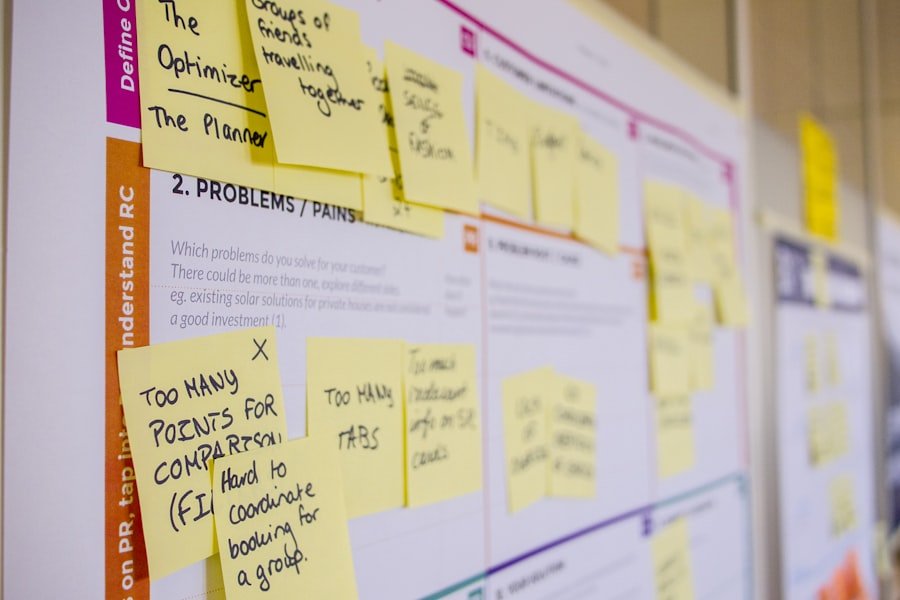
In the realm of creative project management, collaboration often plays a pivotal role in achieving success. As you embark on your project, consider the importance of building a strong team that complements your vision. Surrounding yourself with individuals who possess diverse skills and perspectives can significantly enrich the creative process.
Each team member brings unique strengths to the table, whether it be artistic talent, technical expertise, or strategic thinking. By harnessing these varied abilities, you can create a more robust and innovative outcome. Effective communication is key when working within a team.
Establishing an open dialogue fosters an environment where ideas can flow freely, allowing for constructive feedback and collaboration. You may find it helpful to hold regular meetings or brainstorming sessions to ensure everyone is aligned with the project’s goals and objectives. Encouraging team members to share their thoughts not only enhances creativity but also cultivates a sense of ownership and commitment to the project.
Ultimately, a strong team dynamic can propel your creative vision forward and lead to outcomes that exceed your initial expectations.
Effective Time and Resource Management
| Metric | Description | Typical Value | Target Value | Measurement Frequency |
|---|---|---|---|---|
| Task Completion Rate | Percentage of tasks completed on time | 85% | 95% | Weekly |
| Resource Utilisation | Percentage of available resources actively used | 70% | 85% | Monthly |
| Time Spent on Non-Productive Activities | Percentage of work hours lost to distractions or inefficiencies | 15% | 5% | Monthly |
| Average Task Duration | Average time taken to complete a task | 3 days | 2 days | Weekly |
| Overtime Hours | Number of extra hours worked beyond scheduled time | 8 hours/week | 4 hours/week | Weekly |
| Project Milestone Adherence | Percentage of milestones met by the deadline | 80% | 90% | Monthly |
Time and resource management are critical components of successful creative project management. As you embark on your project, it is essential to develop a realistic timeline that accounts for all phases of the creative process. You may want to create a detailed schedule that outlines key milestones and deadlines, ensuring that you remain on track throughout the project’s duration.
By allocating time wisely, you can avoid last-minute rushes that often compromise quality and creativity. In addition to time management, being mindful of resource allocation is equally important. This includes not only financial resources but also human capital and materials needed for your project.
Assessing what resources are available to you at the outset allows for better planning and utilisation throughout the creative process. You might consider creating a budget that outlines expected costs and potential contingencies to ensure that you remain within financial limits while still achieving your creative goals. By managing both time and resources effectively, you can create an environment conducive to creativity and innovation.
Managing Stakeholder Expectations
As you progress through your creative project, managing stakeholder expectations becomes increasingly important. Stakeholders can include anyone from clients and investors to team members and end-users; their interests and concerns must be addressed throughout the project lifecycle. Open communication is vital in this regard; keeping stakeholders informed about progress, challenges, and changes ensures that everyone remains aligned with the project’s objectives.
You may find it beneficial to establish regular check-ins or updates with stakeholders to gauge their feedback and adjust your approach accordingly. This proactive engagement not only builds trust but also allows for collaborative problem-solving when issues arise. By setting realistic expectations from the outset—clarifying what can be achieved within specific timeframes—you can mitigate potential disappointments later on.
Ultimately, effective stakeholder management fosters a positive working relationship that can enhance both the creative process and the final outcome.
Overcoming Creative Blocks

Creative blocks are an inevitable part of any artistic endeavour; however, how you respond to these challenges can significantly impact your project’s success. When faced with a block, it is essential to recognise that this is a natural occurrence in the creative process. Instead of becoming discouraged, consider employing various strategies to reignite your creativity.
You might take a break from your work to gain fresh perspectives or engage in activities that inspire you—such as visiting an art gallery or exploring nature. Another effective approach is to change your environment or routine temporarily. Sometimes, simply altering your workspace or trying out new techniques can stimulate creativity and help you break through mental barriers.
Additionally, collaborating with others can provide new insights and ideas that may help you overcome stagnation. Remember that creative blocks are not insurmountable; by adopting a proactive mindset and exploring different avenues for inspiration, you can navigate these challenges successfully.
Evaluating and Improving Project Performance
As your creative project progresses towards completion, it is crucial to evaluate its performance continually. Regular assessment allows you to identify areas of strength as well as opportunities for improvement. You might consider implementing feedback mechanisms—such as surveys or focus groups—to gather insights from stakeholders regarding their perceptions of the project’s effectiveness.
This information can be invaluable in refining your approach and enhancing future projects. Moreover, reflecting on your own experiences throughout the project can yield significant insights. Consider what worked well and what could have been done differently; this self-evaluation will inform your future endeavours and contribute to your growth as a creative professional.
By fostering a culture of continuous improvement within yourself and your team, you can ensure that each project builds upon the successes and lessons learned from previous experiences.
The Role of Innovation in Creative Project Management
Innovation is at the heart of successful creative project management; it drives progress and sets projects apart in an increasingly competitive landscape. As you navigate through your creative journey, embracing innovation can lead to groundbreaking ideas and solutions that elevate your work beyond conventional boundaries. This might involve experimenting with new technologies or methodologies that enhance efficiency or exploring unconventional approaches that challenge traditional norms.
Encouraging a culture of innovation within your team is equally important. Create an environment where team members feel empowered to share their ideas without fear of judgement; this openness can lead to unexpected breakthroughs that enrich the project’s outcome. Additionally, staying informed about industry trends and emerging practices will enable you to incorporate fresh perspectives into your work.
Ultimately, by prioritising innovation in your creative project management approach, you position yourself for success in an ever-evolving landscape while inspiring those around you to think outside the box. In conclusion, navigating the complexities of creative project management requires a multifaceted approach that encompasses understanding the creative process, setting clear goals, building strong teams, managing time and resources effectively, engaging stakeholders, overcoming blocks, evaluating performance, and fostering innovation. By embracing these principles, you can enhance not only your own creative output but also contribute positively to collaborative efforts within your team or organisation.
The journey may be challenging at times; however, with dedication and an open mind, you can unlock new levels of creativity and achieve remarkable results in your projects.
FAQs
What is creative project management?
Creative project management is the process of planning, organising, and overseeing projects that involve creative work, such as design, advertising, media production, or artistic endeavours. It combines traditional project management techniques with an understanding of the unique needs and workflows of creative teams.
How does creative project management differ from traditional project management?
Creative project management focuses on flexibility, collaboration, and innovation, recognising that creative processes can be non-linear and iterative. Unlike traditional project management, which often emphasises strict timelines and deliverables, creative project management allows for more adaptability to accommodate changes in ideas and creative direction.
What skills are important for a creative project manager?
Key skills include strong communication, leadership, time management, and problem-solving abilities. A creative project manager should also have an understanding of the creative process, be able to motivate and inspire teams, and manage resources effectively while balancing creativity with project constraints.
What tools are commonly used in creative project management?
Common tools include project management software like Trello, Asana, or Monday.com, which help track tasks and deadlines. Additionally, creative teams often use collaboration platforms such as Slack or Microsoft Teams, alongside specialised design and content creation tools like Adobe Creative Cloud.
Why is communication important in creative project management?
Effective communication ensures that all team members understand project goals, deadlines, and expectations. It helps prevent misunderstandings, facilitates feedback, and supports collaboration, which is essential in creative projects where ideas and concepts evolve continuously.
How can creative project managers handle changes during a project?
Creative project managers should build flexibility into project plans, encourage open communication, and use iterative processes such as agile methodologies. This approach allows teams to adapt to new ideas or client feedback without compromising overall project objectives.
What are common challenges in creative project management?
Challenges include managing subjective feedback, balancing creative freedom with deadlines, coordinating diverse teams, and handling scope changes. Managing client expectations and ensuring consistent quality while meeting time and budget constraints are also frequent issues.
Can creative project management be applied to all types of creative industries?
Yes, creative project management principles can be adapted to various industries including advertising, film and television production, graphic design, publishing, and software development, among others. The key is tailoring the approach to the specific workflows and needs of each creative sector.