Maximizing Efficiency with Hybrid Project Management
In the ever-evolving landscape of project management, you may find yourself navigating the complexities of hybrid project management. This approach combines elements of both traditional and agile methodologies, allowing you to tailor your strategy to the unique demands of your projects. By understanding the principles behind hybrid project management, you can effectively harness the strengths of each methodology, creating a more adaptable and responsive framework for your team.
At its core, hybrid project management acknowledges that no single methodology is universally applicable. You might encounter projects that require the rigorous planning and structure of traditional methods, while others may benefit from the flexibility and iterative nature of agile practices. By blending these approaches, you can create a customised strategy that aligns with your project’s specific goals, stakeholder expectations, and team dynamics.
This understanding is crucial as it empowers you to make informed decisions about which elements to incorporate, ensuring that your project remains on track and meets its objectives.
Summary
- Hybrid project management combines Agile and traditional methods for optimal results.
- Effective use of technology enhances project efficiency and collaboration.
- Balancing flexibility with structured processes ensures adaptability and control.
- Clear communication and stakeholder management are crucial for project success.
- Continuous measurement and adaptation drive ongoing improvement.
Integrating Agile and Traditional Project Management
As you delve deeper into hybrid project management, integrating agile and traditional methodologies becomes paramount. This integration is not merely about juxtaposing two distinct approaches; rather, it involves a thoughtful synthesis that leverages the best practices from both worlds. You may find that certain phases of your project benefit from a waterfall approach, where detailed planning and sequential execution are essential, while other phases thrive under agile principles, allowing for rapid iteration and responsiveness to change.
To achieve this integration effectively, you should begin by assessing the specific needs of your project. Consider factors such as the project’s complexity, the level of uncertainty involved, and the preferences of your stakeholders. By conducting a thorough analysis, you can identify which aspects of each methodology will serve your project best.
For instance, you might choose to employ traditional methods for initial planning and budgeting while adopting agile practices during the execution phase to accommodate evolving requirements. This strategic blend not only enhances your project’s adaptability but also fosters a culture of collaboration and innovation within your team.
Leveraging Technology for Efficiency
In today’s digital age, technology plays a pivotal role in enhancing the efficiency of hybrid project management. You have access to a plethora of tools and software designed to streamline processes, facilitate communication, and improve overall project visibility. By leveraging these technological advancements, you can optimise your workflow and ensure that your team remains aligned with project goals.
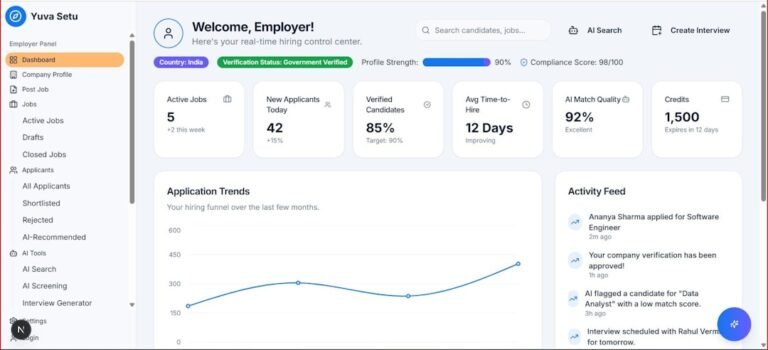
Project management software, for instance, can provide you with real-time insights into task progress, resource allocation, and budget tracking. These tools enable you to monitor performance metrics and make data-driven decisions that enhance project outcomes. Additionally, collaboration platforms allow for seamless communication among team members, regardless of their geographical locations.
By embracing technology in your hybrid project management approach, you can foster a more connected and efficient working environment that ultimately drives success.
Balancing Flexibility and Structure
| Aspect | Flexible Approach | Structured Approach | Balanced Approach |
|---|---|---|---|
| Decision-Making Speed | High (Rapid responses) | Moderate (Follows protocol) | Moderate to High (Guided flexibility) |
| Employee Autonomy | High (Empowered to choose) | Low (Strict guidelines) | Moderate (Clear boundaries with freedom) |
| Consistency | Low (Varies by situation) | High (Standardised processes) | Moderate (Core standards with adaptability) |
| Innovation | High (Encourages creativity) | Low (Limits deviation) | Moderate to High (Supports new ideas within framework) |
| Risk Management | Low (Less control) | High (Strict controls) | Moderate (Balanced oversight) |
| Employee Satisfaction | High (Freedom valued) | Moderate (Clear expectations) | High (Structure with flexibility) |
| Adaptability to Change | High (Easily adjusts) | Low (Resistant to change) | Moderate to High (Flexible within limits) |
One of the most significant challenges you may face in hybrid project management is striking the right balance between flexibility and structure. While agile methodologies emphasise adaptability and responsiveness, traditional approaches prioritise planning and control. To navigate this delicate balance, you must cultivate an environment that encourages innovation while maintaining a clear framework for accountability.
To achieve this equilibrium, consider implementing regular check-ins and reviews throughout the project lifecycle. These touchpoints allow you to assess progress, identify potential roadblocks, and adjust your approach as needed. By fostering an open dialogue within your team, you create a culture where feedback is valued and changes can be made swiftly without compromising overall project integrity.
This balance not only enhances team morale but also ensures that your project remains aligned with its objectives amidst changing circumstances.
Communication and Collaboration Strategies
Effective communication and collaboration are cornerstones of successful hybrid project management. As you work with diverse teams that may be employing different methodologies, establishing clear communication channels becomes essential. You should prioritise transparency in all interactions, ensuring that everyone involved is aware of their roles, responsibilities, and expectations.
Utilising collaborative tools can significantly enhance communication within your team. Platforms such as Slack or Microsoft Teams facilitate real-time discussions and file sharing, allowing team members to stay connected regardless of their physical location. Additionally, regular meetings—whether virtual or in-person—can help reinforce team cohesion and ensure that everyone is on the same page.
By fostering an environment where open communication is encouraged, you empower your team to share ideas freely and collaborate effectively towards common goals.
Managing Stakeholder Expectations
In any project, managing stakeholder expectations is crucial for success. As you navigate the complexities of hybrid project management, it is essential to engage stakeholders early and often throughout the process. By keeping them informed about project developments and involving them in key decisions, you can build trust and foster a sense of ownership among stakeholders.
To effectively manage expectations, consider developing a stakeholder engagement plan that outlines how you will communicate with different groups throughout the project lifecycle. This plan should include regular updates on progress, challenges faced, and any adjustments made to the project scope or timeline. By proactively addressing concerns and providing transparent information, you can mitigate potential conflicts and ensure that stakeholders remain supportive of your project’s objectives.
Adapting to Change
Change is an inevitable aspect of any project, particularly in a hybrid environment where both agile and traditional methodologies are at play. As you embrace this dynamic landscape, developing a mindset that welcomes change becomes essential for your team’s success. You should encourage a culture of adaptability within your team, where members feel empowered to respond to new information or shifting priorities without fear of failure.
To facilitate this adaptability, consider implementing iterative planning cycles that allow for regular reassessment of project goals and deliverables. By breaking down larger tasks into smaller increments, you create opportunities for feedback and adjustment along the way. This approach not only enhances your team’s ability to pivot when necessary but also fosters a sense of ownership among team members as they see their contributions directly impacting project outcomes.
Measuring Success and Continuous Improvement
Finally, measuring success in hybrid project management requires a commitment to continuous improvement. As you implement various methodologies and strategies, it is vital to establish key performance indicators (KPIs) that align with your project’s objectives. These metrics will provide valuable insights into what is working well and what areas may require adjustment.
Regularly reviewing these KPIs allows you to identify trends and patterns that inform future projects. You should encourage a culture of reflection within your team, where lessons learned are documented and shared openly. By fostering an environment that values continuous improvement, you empower your team to innovate and refine their processes over time.
This commitment not only enhances individual projects but also contributes to the overall growth and development of your organisation’s project management capabilities. In conclusion, navigating the complexities of hybrid project management requires a multifaceted approach that integrates various methodologies while leveraging technology for efficiency. By balancing flexibility with structure, fostering effective communication strategies, managing stakeholder expectations, adapting to change, and committing to continuous improvement, you can position yourself for success in this dynamic field.
Embrace the challenges ahead with confidence, knowing that each experience will contribute to your growth as a skilled project manager in an increasingly complex world.
FAQs
What is hybrid project management?
Hybrid project management is an approach that combines elements of traditional (waterfall) and agile project management methodologies. It allows teams to tailor their processes by integrating structured planning with flexible, iterative practices to better suit the project’s needs.
Why is hybrid project management used?
Hybrid project management is used to leverage the strengths of both traditional and agile methods. It provides the predictability and control of waterfall alongside the adaptability and responsiveness of agile, making it suitable for complex projects with evolving requirements.
What are the key components of hybrid project management?
Key components include a defined project scope and timeline from traditional methods, combined with iterative development cycles, regular feedback loops, and continuous improvement practices from agile methodologies.
Which industries benefit most from hybrid project management?
Industries such as IT, construction, manufacturing, and healthcare often benefit from hybrid project management because these sectors require both rigorous planning and the flexibility to adapt to changing conditions or client needs.
How does hybrid project management differ from purely agile or waterfall approaches?
Unlike purely waterfall approaches, hybrid management incorporates iterative cycles and flexibility. Compared to purely agile methods, it maintains more upfront planning and documentation, providing a balance between structure and adaptability.
What are the advantages of using hybrid project management?
Advantages include improved flexibility, better risk management, enhanced stakeholder engagement, and the ability to tailor processes to specific project requirements, leading to potentially higher success rates.
Are there any challenges associated with hybrid project management?
Challenges can include complexity in managing different methodologies simultaneously, potential confusion among team members, and the need for strong leadership to balance and integrate diverse practices effectively.
How can organisations implement hybrid project management successfully?
Successful implementation requires clear communication, training for team members on both methodologies, selecting appropriate tools, and continuous evaluation to adjust the approach as the project progresses.
Is hybrid project management suitable for all project types?
While hybrid project management is versatile, it may not be ideal for very small or highly predictable projects where a single methodology might suffice. It is best suited for projects with moderate to high complexity and changing requirements.
What tools support hybrid project management?
Tools that support both traditional and agile practices, such as Microsoft Project, Jira, Trello, and Asana, can facilitate hybrid project management by enabling planning, tracking, collaboration, and iterative development.