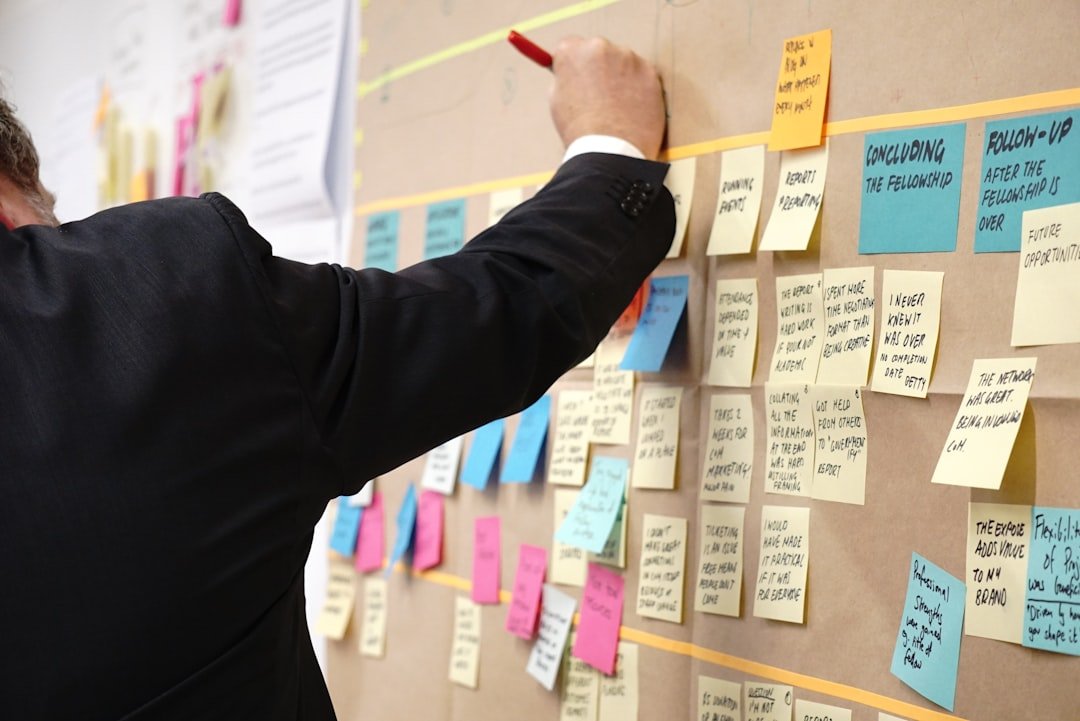
Managing Project Change Effectively
In today’s rapidly evolving world, the necessity for change is more pronounced than ever. You may find yourself in an environment where technological advancements, shifting market dynamics, or evolving consumer preferences compel you to reassess your current strategies. Recognising the need for change is the first step towards ensuring that you remain relevant and competitive.
It is essential to analyse both internal and external factors that may necessitate a shift in your approach. For instance, if your organisation is experiencing stagnation in growth or a decline in customer satisfaction, these are clear indicators that a transformation is required. Moreover, understanding the need for change goes beyond mere recognition; it involves a deep comprehension of the implications that change can have on your organisation.
You must consider how change can enhance operational efficiency, improve employee morale, and ultimately lead to better customer experiences. By embracing change, you position yourself to seize new opportunities and mitigate potential risks. This proactive mindset not only prepares you for the challenges ahead but also fosters a culture of adaptability within your organisation, encouraging everyone to embrace innovation and continuous improvement.
Summary
- Recognise the importance of clear communication to explain why change is necessary.
- Engage stakeholders early to foster collaboration and ownership of the change process.
- Address resistance proactively by understanding concerns and providing support.
- Develop a detailed change management plan to guide implementation effectively.
- Monitor progress continuously and celebrate achievements to sustain momentum.
Communicating the Change
Once you have identified the need for change, the next critical step is effective communication. You must convey the reasons behind the change clearly and persuasively to all stakeholders involved. This communication should not merely be a one-way directive; rather, it should encourage dialogue and feedback.
By articulating the vision and objectives of the change, you can help alleviate any uncertainties or fears that may arise among your team members. It is vital to be transparent about what the change entails and how it will impact everyone involved. Additionally, employing various communication channels can enhance your message’s reach and effectiveness.
Consider using meetings, emails, newsletters, and even social media platforms to disseminate information about the change. Tailoring your message to different audiences within your organisation can also be beneficial. For instance, while senior management may require a detailed analysis of the strategic implications, frontline employees might appreciate a more straightforward explanation of how their roles will be affected.
By ensuring that everyone is informed and engaged in the conversation, you create an environment of trust and collaboration that is essential for successful change implementation.
Involving Stakeholders in the Change Process

Involving stakeholders in the change process is crucial for fostering a sense of ownership and commitment. You should actively seek input from various groups within your organisation, including employees, management, and even customers. By engaging these stakeholders early on, you not only gain valuable insights but also demonstrate that their opinions matter.
This collaborative approach can lead to more innovative solutions and a smoother transition as everyone feels invested in the outcome. Furthermore, creating opportunities for stakeholders to participate in decision-making can significantly enhance their buy-in. You might consider forming focus groups or committees that include representatives from different departments to discuss potential changes and gather feedback.
This inclusive strategy not only enriches the change process but also helps to identify potential challenges early on. When stakeholders feel heard and valued, they are more likely to support the change initiative wholeheartedly, which can ultimately lead to greater success.
Managing Resistance to Change
| Metric | Description | Measurement Method | Typical Range | Importance |
|---|---|---|---|---|
| Employee Resistance Rate | Percentage of employees expressing resistance to change initiatives | Surveys, feedback forms, interviews | 10% – 40% | High |
| Change Adoption Rate | Proportion of employees who have adopted the change successfully | Performance metrics, system usage data | 60% – 90% | High |
| Training Completion Rate | Percentage of employees completing change-related training | Training attendance records | 80% – 100% | Medium |
| Communication Effectiveness | Employee rating of clarity and frequency of change communication | Employee surveys, focus groups | 3.5 – 5 (on a 5-point scale) | High |
| Feedback Response Time | Average time taken to respond to employee concerns about change | Helpdesk logs, HR records | 1 – 3 days | Medium |
| Employee Engagement Score | Level of employee engagement during change process | Engagement surveys | 60% – 85% | High |
| Turnover Rate During Change | Percentage of employees leaving during change implementation | HR records | 2% – 8% | Medium |
Resistance to change is a natural human response that you may encounter during any transformation process. It is essential to acknowledge this resistance rather than dismiss it outright. Understanding the root causes of resistance can help you address concerns effectively.
Common reasons for resistance include fear of the unknown, perceived threats to job security, or a lack of trust in leadership. By recognising these factors, you can tailor your approach to mitigate fears and build confidence among your team. To manage resistance effectively, open lines of communication are paramount.
Encourage employees to voice their concerns and provide them with a platform to express their feelings about the impending changes. You might also consider offering training sessions or workshops that equip employees with the skills they need to adapt to new processes or technologies. By providing support and reassurance, you can help alleviate anxiety and foster a more positive attitude towards change.
Remember, addressing resistance head-on not only helps smooth the transition but also strengthens relationships within your organisation.
Creating a Change Management Plan
A well-structured change management plan serves as a roadmap for navigating the complexities of transformation. You should begin by defining clear objectives and outcomes that align with your overall vision for change. This plan should outline specific steps, timelines, and responsibilities for each phase of the process.
By having a comprehensive plan in place, you can ensure that everyone involved understands their roles and what is expected of them. Moreover, it is essential to incorporate flexibility into your change management plan. While having a structured approach is important, being adaptable allows you to respond effectively to unforeseen challenges or feedback from stakeholders.
Regularly reviewing and updating your plan based on real-time insights can enhance its effectiveness and ensure that it remains relevant throughout the implementation process. A robust change management plan not only guides your efforts but also instils confidence among stakeholders that the transition will be managed thoughtfully and strategically.
Implementing the Change

With a solid plan in place, you are now ready to implement the change. This phase requires careful execution and ongoing communication to ensure that everyone remains aligned with the objectives set forth in your change management plan. You should consider breaking down the implementation into manageable phases or milestones, allowing for easier tracking of progress and adjustments as needed.
This incremental approach can help maintain momentum while providing opportunities for feedback along the way. During implementation, it is crucial to celebrate small wins and acknowledge the efforts of your team members. Recognising achievements fosters a positive atmosphere and encourages continued engagement with the change process.
Additionally, maintaining open lines of communication throughout this phase allows you to address any emerging concerns promptly. By being present and supportive during implementation, you reinforce your commitment to the change initiative and demonstrate that you value your team’s contributions.
Monitoring and Evaluating the Change
Monitoring and evaluating the change is an ongoing process that should not be overlooked. You must establish key performance indicators (KPIs) that align with your objectives to measure progress effectively. Regularly assessing these metrics will provide valuable insights into how well the change is being received and whether it is achieving its intended outcomes.
This evaluation process allows you to identify areas for improvement and make necessary adjustments in real-time. Moreover, soliciting feedback from stakeholders during this phase is essential for understanding their experiences with the change. Conducting surveys or holding focus groups can provide you with qualitative data that complements your quantitative metrics.
By actively seeking input from those affected by the change, you demonstrate that their perspectives are valued and that you are committed to continuous improvement. This iterative approach not only enhances the effectiveness of the change initiative but also fosters a culture of openness and collaboration within your organisation.
Celebrating Success and Reinforcing the Change
As you reach significant milestones in your change journey, it is vital to take time to celebrate successes—both big and small. Acknowledging achievements reinforces positive behaviours and encourages continued commitment among team members. You might consider hosting events or recognition programmes that highlight individual contributions or team efforts during the transition process.
Celebrating success not only boosts morale but also solidifies the changes as part of your organisational culture. In addition to celebrating successes, reinforcing the change is equally important for ensuring its sustainability over time. You should continue to communicate the benefits of the changes made and how they align with your organisation’s long-term goals.
Providing ongoing training and support can help employees adapt fully to new processes or systems while embedding these changes into daily operations. By consistently reinforcing the value of the transformation, you create an environment where change becomes an integral part of your organisational identity rather than a one-off event. In conclusion, navigating change within an organisation requires careful planning, effective communication, stakeholder involvement, and ongoing evaluation.
By understanding the need for change and managing resistance thoughtfully, you can create a culture that embraces transformation as an opportunity for growth rather than a challenge to be feared. With a comprehensive change management plan in place, successful implementation becomes achievable, leading to lasting improvements that benefit both employees and customers alike. Ultimately, celebrating successes along the way ensures that everyone remains engaged in this journey towards continuous improvement and innovation.
FAQs
What is project change management?
Project change management is the process of managing alterations to a project’s scope, objectives, or deliverables in a structured and controlled manner to ensure successful project completion.
Why is change management important in projects?
Change management is important because it helps minimise disruption, manage risks, maintain project alignment with business goals, and ensure that all stakeholders are informed and engaged throughout the change process.
What are the common types of changes in project management?
Common types of changes include scope changes, schedule adjustments, budget modifications, resource reallocations, and changes to project deliverables or quality standards.
Who is responsible for managing changes in a project?
Typically, the project manager is responsible for overseeing change management, supported by the project team and a change control board or committee that reviews and approves significant changes.
What is a change control process?
A change control process is a formal procedure used to request, evaluate, approve or reject, and implement changes in a project to ensure that changes are managed systematically and documented properly.
How can project change management impact project success?
Effective change management can improve project success by ensuring changes are aligned with objectives, reducing scope creep, controlling costs, and maintaining stakeholder satisfaction.
What tools are commonly used in project change management?
Common tools include change request forms, impact analysis templates, project management software with change tracking features, and communication platforms for stakeholder updates.
How do you handle resistance to change in projects?
Handling resistance involves clear communication, involving stakeholders early, providing training or support, addressing concerns empathetically, and demonstrating the benefits of the change.
What is the difference between change management and project management?
Project management focuses on planning and executing the entire project, while change management specifically deals with managing changes within the project to ensure they are controlled and beneficial.
Can change management be applied to all types of projects?
Yes, change management principles can be applied to projects of all sizes and industries to effectively manage any alterations that arise during the project lifecycle.