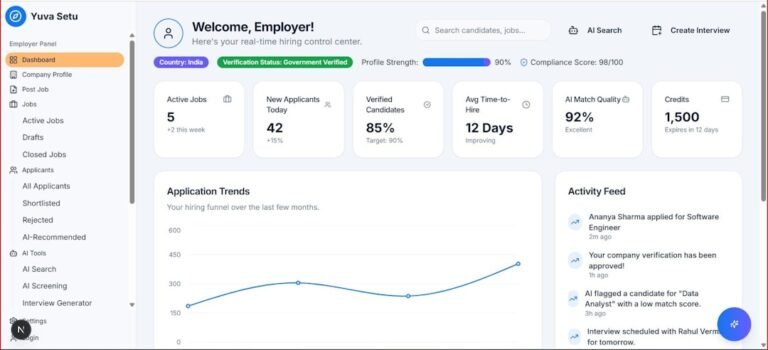
Streamline Your Projects with Project Management Software
In today’s fast-paced business environment, the need for effective project management has never been more critical. As you navigate through various tasks and responsibilities, project management software emerges as a vital tool that can streamline your processes and enhance productivity. This software is designed to assist you in planning, executing, and monitoring projects, ensuring that you stay on track and meet your objectives.
With a plethora of options available, understanding the essence of project management software can significantly impact your team’s success. Project management software serves as a central hub for collaboration, communication, and organisation. It allows you to manage resources, timelines, and budgets all in one place.
By leveraging these tools, you can foster a more cohesive working environment where team members are aligned with project goals. As you delve deeper into the world of project management software, you will discover how it can transform the way you approach your projects, making them more manageable and less overwhelming.
Summary
- Project management software helps teams plan, organise, and manage their work more effectively.
- Using project management software can improve team collaboration, communication, and productivity.
- Key features to look for in project management software include task management, scheduling, file sharing, and reporting capabilities.
- When choosing the right project management software, consider your team’s specific needs, budget, and ease of use.
- Implementing project management software in your organisation requires clear communication, training, and support for team members.
Benefits of Using Project Management Software
One of the most significant advantages of using project management software is the enhancement of collaboration among team members. With features that facilitate real-time communication and file sharing, you can ensure that everyone is on the same page. This level of transparency not only boosts morale but also encourages accountability within the team.
When each member knows their responsibilities and deadlines, it fosters a sense of ownership that can lead to improved performance. Additionally, project management software provides you with valuable insights through data analytics and reporting features. You can track progress, identify bottlenecks, and make informed decisions based on real-time data.
This capability allows you to adjust your strategies promptly, ensuring that projects remain on schedule and within budget. The ability to analyse performance metrics can also help you refine your processes over time, leading to continuous improvement in your project management practices.
Key Features to Look for in Project Management Software

When selecting project management software, it is essential to consider the key features that will best serve your team’s needs. One crucial aspect is task management capabilities. You should look for software that allows you to create, assign, and prioritise tasks easily.
A user-friendly interface will enable you to visualise workflows and deadlines, making it simpler for you to manage workloads effectively. Another important feature is integration with other tools and platforms that your team already uses. Whether it’s email, calendars, or file storage systems, seamless integration can enhance productivity by reducing the need to switch between applications.
Additionally, consider whether the software offers mobile access. In an increasingly remote work environment, having the ability to manage projects on-the-go can be a game-changer for you and your team.
How to Choose the Right Project Management Software for Your Team
| Factors to Consider | Project Management Software |
|---|---|
| Features | Task management, Gantt charts, time tracking, collaboration tools |
| Scalability | Ability to handle growing team and project sizes |
| Integration | Compatibility with existing tools and software |
| Cost | Subscription fees, additional costs for extra features |
| User Interface | Intuitive design, ease of use for team members |
| Support | Customer service, training resources |
Choosing the right project management software requires careful consideration of your team’s specific needs and workflows. Start by assessing the size of your team and the complexity of your projects. For smaller teams or simpler projects, a lightweight solution may suffice, while larger teams may benefit from more robust software with advanced features.
Engaging your team in this decision-making process can also provide valuable insights into what functionalities they deem essential. Budget is another critical factor in your selection process. While it may be tempting to opt for the most feature-rich software available, it’s important to find a balance between cost and functionality.
Many providers offer tiered pricing models based on features and user numbers, so take the time to evaluate which plan aligns best with your budget while still meeting your requirements. Additionally, consider taking advantage of free trials or demos to get a feel for how well the software fits into your existing workflows before making a commitment.
Implementing Project Management Software in Your Organisation
Once you have selected the appropriate project management software for your team, the next step is implementation. This phase is crucial as it sets the tone for how effectively your team will adopt the new tool. Begin by developing a clear implementation plan that outlines timelines, responsibilities, and training sessions.
Engaging your team early in this process can help alleviate any resistance to change and encourage buy-in from all members. Training is an essential component of successful implementation. Ensure that everyone understands how to use the software effectively by providing comprehensive training sessions tailored to different user levels.
Consider creating user guides or video tutorials that team members can refer back to as they acclimatise to the new system. By investing time in training, you empower your team to leverage the full potential of the software, ultimately leading to improved project outcomes.
Best Practices for Using Project Management Software

To maximise the benefits of project management software, it’s essential to establish best practices within your organisation. One effective strategy is to maintain consistent communication through the platform. Encourage team members to use comments and updates within tasks to keep everyone informed about progress and challenges.
This practice not only enhances transparency but also fosters a collaborative atmosphere where issues can be addressed promptly. Another best practice is to regularly review and update project plans as needed. Projects often evolve over time due to changing circumstances or new information.
By making it a habit to revisit and adjust plans within the software, you ensure that everyone remains aligned with current objectives and timelines. This proactive approach can help mitigate risks and keep projects on track.
Overcoming Challenges with Project Management Software
Despite its many advantages, implementing project management software can come with its own set of challenges. One common issue is resistance from team members who may be accustomed to traditional methods of project management. To overcome this hurdle, it’s important to communicate the benefits clearly and demonstrate how the software can simplify their work processes rather than complicate them.
Another challenge may arise from technical difficulties or a steep learning curve associated with new software. To address this concern, provide ongoing support and resources for your team as they navigate the platform. Establishing a designated point of contact for troubleshooting can also help alleviate frustrations and ensure that any issues are resolved quickly.
The Future of Project Management Software
As technology continues to evolve, so too does the landscape of project management software. The future promises even more innovative features designed to enhance collaboration and efficiency. For instance, artificial intelligence (AI) is poised to play a significant role in automating routine tasks and providing predictive analytics that can inform decision-making processes.
Moreover, as remote work becomes increasingly prevalent, project management software will likely continue to adapt by offering enhanced mobile capabilities and integrations with other remote collaboration tools. This evolution will enable teams to work seamlessly across different locations while maintaining productivity levels. As you look ahead, staying informed about these trends will help you leverage new advancements in project management software to further optimise your team’s performance.
In conclusion, embracing project management software can significantly enhance your team’s ability to manage projects effectively. By understanding its benefits, key features, and best practices for implementation, you position yourself for success in an ever-changing business landscape. As you navigate this journey, remember that continuous learning and adaptation are key components in harnessing the full potential of project management tools for your organisation’s growth.
FAQs
What is project management software?
Project management software is a tool that helps teams and individuals plan, execute, and manage projects. It typically includes features such as task management, scheduling, budgeting, and collaboration tools.
What are the benefits of using project management software?
Some of the benefits of using project management software include improved communication and collaboration, better organization and tracking of tasks and deadlines, increased efficiency and productivity, and the ability to easily monitor project progress and make adjustments as needed.
What are some popular project management software options?
Some popular project management software options include Trello, Asana, Jira, Microsoft Project, and Basecamp. Each of these tools offers different features and capabilities, so it’s important to consider the specific needs of your project when choosing a software.
How do I choose the right project management software for my team?
When choosing project management software, consider factors such as the size and needs of your team, the complexity of your projects, your budget, and any specific features or integrations you require. It’s also helpful to read reviews and get recommendations from other teams in similar industries.
Is project management software suitable for all types of projects?
Project management software can be used for a wide range of projects, including software development, construction, marketing campaigns, event planning, and more. However, the specific features and capabilities of the software may make it more suitable for certain types of projects over others.
Can project management software integrate with other tools and software?
Many project management software options offer integrations with other tools and software, such as communication platforms, file storage systems, and time tracking tools. This can help streamline workflows and ensure that all project-related information is easily accessible in one place.